The Forgotten Art of Visual Merchandising in an Algorithmic World
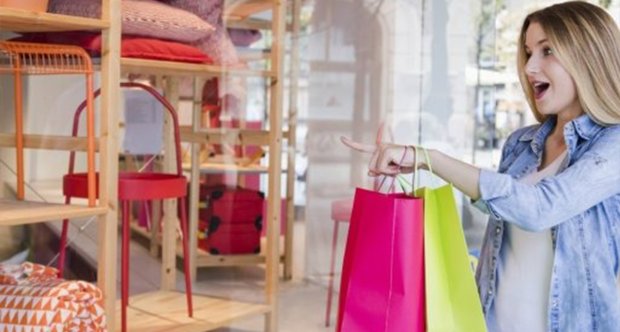
In our current obsession with e-commerce algorithms, AI-driven personalization, and digital marketing, a fundamental truth of retail is being neglected.
When customers return to stores these days, they are too often met with uninspiring, functional environments, clean and tidy, but not WOW! The art of Visual Merchandising (VM) has, in many businesses, been downgraded."
Visual merchandising should show that the store is trend right, it has some unique product that competitors don't have and customers can see that, and when customers enter they see displays that tell the story, complemented by effective signage and feature spots that show customer inspiration. Many customers can't create a look, they need help either via a look book or displays.
Great VM is not just about making things look pretty; it is a silent selling machine. It dictates customer flow, highlights the "Better" and "Best" propositions, and increases average transaction value through strategic adjacencies and exploiting affinities.
Still 70% to 80% of all retail sales are done in stores and of the online share, much of it is collected from stores giving further sell on opportunities. While we obsess over tweaking an online recommendation engine by 1%, we ignore physical displays that are underperforming by 20% due to poor presentation and restocking fixtures. When retailers do a well planned store refit, they often see sales increases of 20% and a re-fit costs a lot more than improving visual merchandising.
To maximise the return on the immense capital expense of physical stores, we need to reinvest in the imaginative art of visual merchandising. In doing so, we make it easier for our customers to shop our stores.
-
Posted by Brian Hume
27th May 2026