


Introduction to Retail Inventory Management
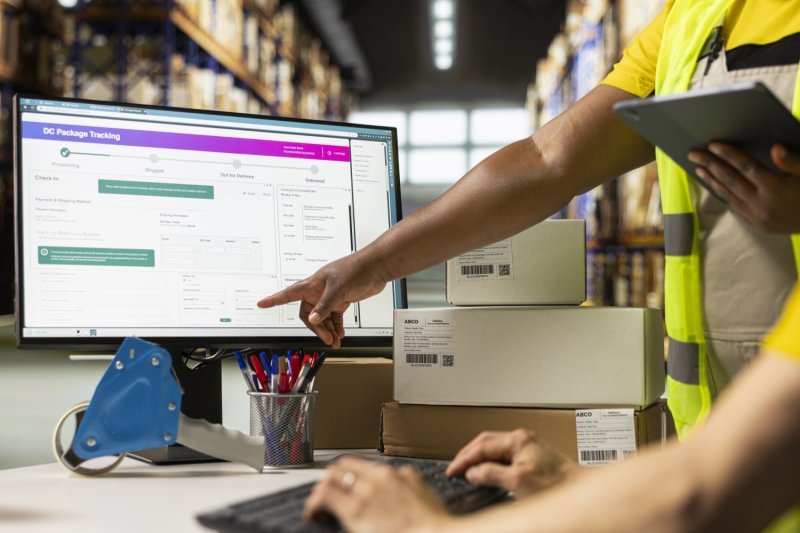


Item: EL80
This module covers the core principles of retail inventory management, exploring how businesses balance stock availability, customer demand and costs. Scroll down for course objectives and detailed content. This suite of courses can also earn up to 2.8 NASBA CPE credits.

 In stock
Description
This module covers the core principles of retail inventory management, exploring how businesses balance stock availability, customer demand and costs. It examines why stock is held, how much is needed and where it should be stored, the different types and categories of stock, and how businesses maintain stock visibility and accuracy. It also introduces key performance measures used to evaluate inventory efficiency and product availability.
Who is it Suitable For?
This program is designed for:
- Buying Assistants
- Assistant Buyers
- Merchandise Assistants
- Assistant Merchandisers
- Junior Merchandisers
- Warehouse Supervisors and Team Leaders
- Junior Supply Chain Consultants
Class Objectives
By the end of this program, learners will be able to;
- Explain why a business needs to hold inventory.
- Describe the essential processes for managing accurate inventory levels.
- Explain how a retailer can optimize its inventory levels.
- Perform a series of basic inventory calculations, such as determining average inventory and inventory turn.
Detailed Content:
Why do Businesses Hold Inventory?
- Why Hold Inventory?
- Inventory: A Major Retail Cost
- Service Levels
- Difference Between Sales and Demand and Relationship to Service Levels
- Cost of Avoiding a Lost Sale
- Lost Sales Estimation
- Profit Impact of Lost Sales Recovery
- Using Lost Sales in Practice
How Much Inventory Does a Business Need?
How Much Inventory do you Need?
Mean Forecast Error
Considerations for Reducing Inventory
Which Comes First - Reducing Stocks or Reducing Lost Sales?
Where is Inventory Held?
- Where is Inventory Held?
- Types of Stock Ownership and Supply Models
- Own Bought Stock
- Sale or Return
- Consignment Stock
- Pay on Scan
- Concession or Leased Department Stock
- Vendor Managed Inventory (VMI)
- Direct Store Delivery (DSD)
Understanding and Classifying Inventory
- Stock Categories
- Breaking Stock and Terminal Stock
- Fast Movers vs. Slow Movers
- Inventory Accuracy
- Stock Counting
Measuring Inventory Performance
- Holding Inventory Has a Cost
- Cost of Goods Sold (COGS)
- Average Inventory
- Carrying Cost of Inventory
- Impact on the Profit and Loss Statement
Inventory Related KPIs
- Inventory or Stock Turn
- Evaluating a Change in Turn
- Weeks of Supply
- Markdowns
- Sell-Through
Practical Factors Affecting Inventory
- Impact of Pack Sizes
- Rounding Rules
- Returns
Mastery test
Learners completing the mastery test and obtaining a 70% pass mark will also receive a mastery certificate and digital badge upon completion.
Hours of Study
On average learners take 2.5 to 3 hours to study this course.
Resources Included
- Guide on Navigating Martec E-learning Courses
- CPE Credits for Introduction to Retail Inventory Management
- Introduction to Retail Inventory Management Module Summary
- WIKI links for Introduction to Retail Inventory Management
People who bought this also bought...






Share & Forward To A Friend
Share
Introduction to Retail Inventory Management
Facebook Twitter Email Pinterest Telegram